Scarcity creates scarcity, and anticipation breeds desire.
There is a method to completely change the way you enjoy eating, but it requires changing your perspective. Let's talk about it.
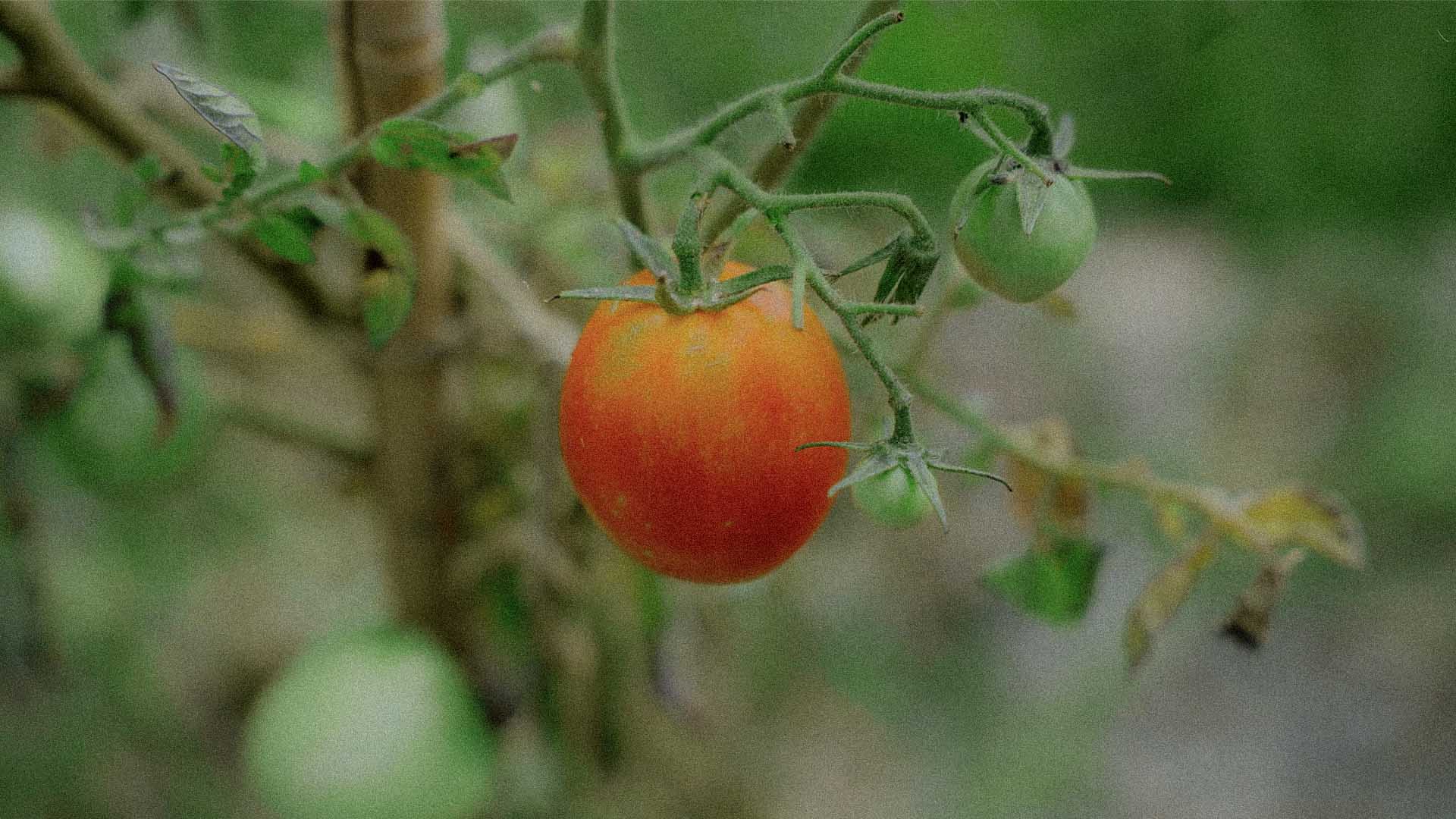
Despite the global climate situation we know and all the information resources we have at our disposal today, we still see too many consumers eating out-of-season produce.
It's a topic that's often discussed, but the most frequently cited example, because it's probably the most telling, is of course the tomato. So I'll use it as a basis for sharing my perspective.
When you lose your free will, you lose your common sense
Despite all the communication efforts used to raise awareness, tomatoes are still far too prevalent outside their ideal season. Just look at the supermarket shelves, where large retailers pressure us into thinking we want tomatoes all the time. A section in a supermarket is designed to make us lose our free will.
The colours, the layouts, the packaging, the advertisements, the promotions… a set of marketing techniques that make us lose our common sense… without even realizing it.
I feel, as I write this, that I am stating the obvious, and yet, every week, if we look at the recipes on social media, the shelves in supermarkets, the composition of industrial products or the menus of restaurants outside the home… it is catastrophic.
And yes, because when we talk about eating tomatoes, we're not just talking about tomato, mozzarella, and basil salad. We're also talking about cherry tomatoes that we nibble on as an appetizer, tomatoes found in sandwiches: bakeries, fast food outlets, industrial snacks, or even restaurants that still think the customer decides.
On this last point, I would have plenty to say in the coming weeks.
The capitalist consumer is pretentious in the face of nature.
It's a somewhat radical subtitle, which I stand by because I believe it… but which I also qualify with the text above because it's not 100% the consumer's fault. Not everyone has access to the same level of information, the same understanding of information, or the same degree of exposure to marketing techniques.
Nevertheless, a large majority could regain control, because consuming tomatoes year-round has led us to where we are today: capricious consumers caught in the chains of capitalism. It's about wanting to consume everything, all the time, and whenever we want.
For tomatoes, it's about responding to a sudden craving for tomatoes when they're not in season. Obviously, tomatoes are readily available, so we can indulge that craving, but it's also an old habit, like buying a punnet of cherry tomatoes to serve as an appetizer "just because."
Just imagine for a moment what future generations will think when they read history books about the food of our time:
“In the years 2000–2050, the food system was structured like an hourglass. There were millions of farmers at the top and eight billion consumers at the bottom. In between, a funnel of a few companies through which everything passed: grain traders, seed companies, chemical companies, processors, and distributors. Whoever controlled the size of the hourglass decided what would be grown and at what price. ”
So, for example, this generation found themselves eating cloned, standardized tomatoes, full of artificial ingredients, and consuming them even in the middle of winter, without asking themselves any questions. They were completely blinded by the power of marketing and caught in the yoke of a destructive capitalist system.
* Excerpt from an interview with Raj Patel, author, filmmaker, and global spokesperson on food systems for Slow Food.
It's chilling to read this, isn't it?
His Majesty has lost his splendor
The tomato, from the Italian "Pomodoro" (from pomo/apple and oro/gold), meaning "golden apple," was originally a rather yellow and golden fruit. It can be considered the most consumed fruit in the world.
But as I have shown you, not necessarily for the right reasons.
My aim is to enlighten people by putting our relationship with time back at the heart of what we eat, so we can rediscover pleasure. Because eating a tomato in February isn't pleasurable: they're standardized, tasteless, not very sweet, and require heavy industrial methods to produce.
Indeed, as evidenced by one of Hugo Clément's reports "On the front line", some operators, such as those in the Nantes area, use greenhouses continuously heated with gas (with imposing boilers) and lit by powerful neon lights day and night, to the point of illuminating the region's night sky.
I don't live very far away, having already seen it with my own eyes, I can confirm it.
Rediscovering the pleasure of things through anticipation
We have the power to change things. So let's breathe, step back, become mindful, and respect what we eat, to respect ourselves. Because you'll soon discover: scarcity creates lack, and lack breeds desire.
Waiting months to eat a really good tomato makes you salivate, it arouses desire, hunger and greed, and it rewards you with a truly good product that you will have earned.
Waiting all winter to eat good tomatoes will restore your appreciation for what a tomato is, not only because you will have developed a real desire to consume it, and you will not have simply responded to a bottomless compulsive consumption, but also because you will have a better product.
The moral of this speech is that we must rediscover pleasure… through waiting, slowness and respect for the earth.
Finally, I had fun cooking a panna cotta with tomatoes from my garden, I leave you with some pictures of my creation.
Read next.
The entire newspaper
I cooked for 40 people and I understood why I loved it so much.
Three days in the kitchen, two meals and about fifty portions: my first experience to understand what cooking for others really means.
The day I started refusing certain projects
I remember this project very well. On paper, everything was appealing. The brief was clear, the budget reasonable, the organization smooth. A classic production, like many I had already done, nothing really out of the ordinary.

How do I know if a project is worth filming?
Refusing a project was a turning point. But this refusal alone was not enough. It opened up another, even more demanding question: if I start saying no, on what basis do I say yes?